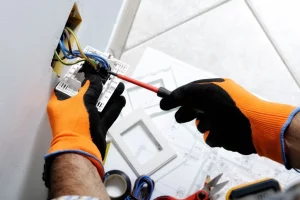
Upgrading an electrical system requires careful planning and execution. A thorough assessment of the existing setup is essential to identify areas needing improvement. Key considerations include safety, material requirements, and compliance with local codes. The following guide outlines a methodical approach to guarantee a seamless upgrade. Understanding each step will greatly enhance the overall process and outcome, leading to a more efficient electrical system in the home. The next sections will clarify these vital steps.
Key Takeaways
- Assess your current electrical system thoroughly to identify issues and determine upgrade needs before starting the process.
- Create a detailed plan outlining necessary upgrades, materials, and budget to streamline the renovation.
- Consult with a licensed electrician for expert advice and compliance with local codes and safety standards.
- Secure all necessary permits prior to beginning work to avoid potential delays and ensure proper inspections.
- Test the newly installed components to confirm functionality and safety, ensuring a reliable electrical system.
Understanding the Importance of Electrical System Upgrades
When homeowners consider the safety and functionality of their living spaces, they often overlook the critical role that electrical system upgrades play. A detailed guide to upgrading home electrical system emphasizes the necessity of modernizing outdated wiring, circuit breakers, and outlets. These upgrades not only enhance safety by minimizing fire risks and electrical hazards but also improve energy efficiency, lowering utility bills and reducing environmental impact. Additionally, an upgraded electrical system can accommodate the growing demand for electricity from modern appliances and smart home technologies. By prioritizing these upgrades, homeowners can guarantee a reliable and secure living environment, fostering a sense of belonging and comfort within their homes. Ultimately, investing in an electrical system upgrade is a proactive step toward long-term peace of mind.
Assessing Your Current Electrical System
Evaluating the current electrical system is a fundamental step in the guide to upgrading home electrical systems. Homeowners should begin by examining the age and type of their wiring, circuit breakers, and outlets. It is crucial to identify any signs of wear, such as frayed wires or frequent circuit trips. Reviewing the amperage capacity of the system is also critical; older homes often fall short of modern electrical demands. Additionally, checking for the presence of GFCI and AFCI protection can guarantee safety and compliance with current codes. Documenting these findings provides a clear overview, enabling informed decisions during the upgrade process. This thorough evaluation lays the groundwork for a successful and stress-free upgrade, fostering a sense of belonging in a safe home environment.
Planning Your Upgrade: Key Considerations
To guarantee a successful upgrade of the electrical system, careful planning is essential, as various factors can greatly influence the outcome. First, homeowners must assess their current power requirements and future needs to determine the appropriate capacity. Next, evaluating existing wiring and circuit configurations is critical to identify any upgrades necessary to meet safety standards. Additionally, obtaining necessary permits and understanding local codes guarantees compliance and minimizes potential issues. Budgeting for materials, labor, and unforeseen expenses is also essential in maintaining a stress-free process. Finally, consulting with a licensed electrician can provide expert insights and guidance, reinforcing the importance of collaboration. This thorough approach is fundamental in the guide to upgrading home electrical systems effectively.
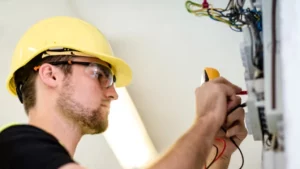
Step-by-Step Process for Upgrading Your Electrical System
Having established a thorough plan for the electrical system upgrade, the next phase involves implementing a systematic approach to guarantee efficiency and safety. This process requires careful execution of several key steps:
- Gather Necessary Materials: Verify all components, such as circuit breakers, wiring, and outlets, are on hand before beginning the upgrade.
- Disconnect Power: Prior to any work, shut off the main power supply to prevent accidents and ensure a safe working environment.
- Install Upgraded Components: Follow the planned layout meticulously, securing each new element in place according to local codes.
Ensuring Safety and Compliance During Your Upgrade
How can homeowners guarantee their electrical upgrades adhere to safety standards and regulations? First, they should familiarize themselves with local building codes and national safety standards, such as the National Electrical Code (NEC). Engaging a licensed electrician is vital, as their expertise assures compliance and mitigates risks. Homeowners must also secure necessary permits before commencing upgrades, as inspections will verify adherence to safety protocols. Additionally, utilizing high-quality materials and components is fundamental for durability and safety. Regularly consulting safety resources and local regulatory bodies can further enhance understanding and compliance. By following these guidelines, homeowners guarantee their electrical system upgrades are not only efficient but also safe and compliant, fostering a sense of belonging within their community.
Frequently Asked Questions
How Much Does It Typically Cost to Upgrade an Electrical System?
Typically, upgrading an electrical system can cost between $1,500 and $3,000. Factors influencing the price include the home’s size, the complexity of the upgrade, and local labor rates, making budgeting essential for homeowners.
Can I Upgrade My Electrical System Myself?
Upgrading an electrical system can be performed by knowledgeable homeowners. However, it is essential to understand local codes, safety standards, and potential hazards. Consulting a professional is recommended to guarantee compliance and safety during the upgrade process.
What Are the Signs That an Upgrade Is Necessary?
Signs that an upgrade is necessary include frequent circuit breaker trips, flickering lights, outdated wiring, insufficient outlets, and the inability to support modern appliances. These indicators suggest the need for an all-encompassing guide to upgrading home electrical systems.
How Long Does an Electrical System Upgrade Take?
An electrical system upgrade typically takes one to three days, depending on the home’s size and complexity. Proper planning and consultation with professionals can streamline the process, ensuring minimal disruption and enhanced safety for occupants.
Will Upgrading My Electrical System Increase My Home Value?
Upgrading a home’s electrical system generally increases its value by enhancing safety, efficiency, and appeal to potential buyers. An updated system often signifies modern living standards, making the property more attractive in a competitive market.
Conclusion
In summary, upgrading an electrical system requires careful assessment, planning, and execution to guarantee safety and compliance. By following a systematic approach—evaluating the current system, consulting with professionals, and methodically installing new components—homeowners can achieve a reliable electrical environment. Testing the system post-installation is essential to confirm functionality. Adhering to these steps will facilitate a stress-free upgrade process, ultimately enhancing both the safety and efficiency of the electrical infrastructure within the home.
You May Also Like to Read: