A roof maintenance checklist is essential for commercial property owners seeking long-term cost savings. Regular inspections can identify wear and tear, ensuring proper drainage and addressing minor issues before they escalate. This proactive approach not only extends roof lifespan but also enhances energy efficiency. As compliance with safety regulations becomes increasingly important, understanding the critical components of an effective checklist is crucial for maintaining both property value and tenant satisfaction. What should property owners prioritize in their maintenance strategy?
Key Takeaways
- Regular inspections help identify minor issues early, preventing costly repairs and extending the roof’s lifespan.
- A comprehensive checklist ensures all maintenance tasks are completed systematically, reducing the risk of overlooked problems.
- Seasonal maintenance tasks, like clearing debris and checking drainage, enhance roof performance and prevent damage.
- Documenting maintenance activities aids in compliance and provides a history for future reference, ensuring accountability.
- Proactive roof care improves energy efficiency, leading to lower utility costs and increased tenant satisfaction.
How a Roof Maintenance Checklist Saves Businesses Money
A thorough roof maintenance checklist can considerably reduce long-term costs for commercial businesses. By systematically addressing potential issues, such as leaks, drainage problems, and structural integrity, companies can prevent minor repairs from escalating into major expenses. Regular inspections outlined in the roof maintenance checklist commercial allow for timely interventions, preserving the roof’s lifespan and ensuring peak performance. Additionally, maintaining a well-documented checklist helps in compliance with safety regulations and can enhance property value. Businesses that prioritize this proactive approach not only save money but also foster a culture of responsibility and care for their assets. Ultimately, a robust roof maintenance strategy contributes to overall operational efficiency and financial stability.
Essential Items to Include in Your Roof Maintenance Checklist Commercial
An effective roof maintenance checklist commercial should encompass several critical items to guarantee peak performance and longevity. First, it should include a thorough inspection of roofing materials for signs of wear or damage. Next, drainage systems, such as gutters and downspouts, must be checked for clogs and proper functionality. Additionally, flashing around vents and chimneys should be examined for leaks. Regular checks on roof insulation can prevent heat loss and moisture buildup. Finally, documenting all maintenance activities assures compliance and helps track the roof’s history. By incorporating these essential items, businesses can proactively manage their roofs, ensuring reliability and minimizing costly repairs, thereby fostering a sense of belonging within a community that values diligent property care.
Seasonal Roof Maintenance Tasks
While the changing seasons bring various weather conditions, they also necessitate specific roof maintenance tasks to guarantee peak performance. In spring, inspections should focus on clearing debris and checking for winter damage. Summer tasks include ensuring proper drainage and evaluating the integrity of flashing. As autumn approaches, it is essential to clean gutters and downspouts while preparing the roof for winter by inspecting seals and membranes. During winter, regular snow removal is critical to prevent excessive weight and potential leaks. By adhering to these seasonal roof maintenance tasks outlined in the roof maintenance checklist commercial, property managers can extend roof lifespan and minimize costly repairs, fostering a sense of community responsibility and stewardship among building occupants.
How to Spot Common Roof Problems Early?
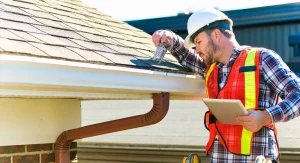
How can property managers identify common roof problems before they escalate? Regular inspections are essential for early detection. Property managers should look for visible signs such as missing shingles, cracks, or ponding water. Additionally, interior signs like water stains on ceilings or walls may indicate leaks. Monitoring the condition of flashing and seals around vents and chimneys is also important, as these areas are prone to wear. Utilizing a commercial roof maintenance checklist can help streamline this process, ensuring no detail is overlooked. Seasonal weather changes can exacerbate existing issues, so proactive assessments are crucial. By identifying these problems early, property managers can take necessary actions, ultimately extending the roof’s lifespan and reducing future repair costs.
Cost Savings From Regular Roof Maintenance
Regular roof maintenance can lead to significant cost savings for commercial property managers, as proactive care helps prevent costly repairs and extends the lifespan of the roof. By implementing a roof maintenance checklist commercially, property managers can systematically identify and address minor issues before they escalate. Regular inspections catch leaks, debris buildup, and material deterioration early, often resulting in minimal repair costs. Additionally, maintaining an ideal roofing system can improve energy efficiency, reducing utility expenses. Investing in routine maintenance fosters a sense of community among property stakeholders, as it reflects commitment to the property’s longevity and value. Ultimately, consistent roof care guarantees long-term financial benefits, safeguarding investments and enhancing tenant satisfaction.
Frequently Asked Questions
How Often Should I Update My Commercial Roof Maintenance Checklist?
Updating a roof maintenance checklist commercially should occur annually, or biannually if the building is in a harsh climate. Regular reviews guarantee timely repairs and compliance, ultimately supporting the longevity and efficiency of the roofing system.
Can I Perform Roof Maintenance Tasks Myself?
Yes, individuals can perform certain roof maintenance tasks themselves, such as cleaning gutters or inspecting for damage. However, for complex issues, hiring professionals is advisable to guarantee safety and compliance with industry standards.
What Qualifications Should a Roof Maintenance Professional Have?
A qualified roof maintenance professional should possess relevant certifications, extensive experience in roofing systems, knowledge of safety regulations, and the ability to conduct thorough inspections. These attributes guarantee effective maintenance and long-term protection of commercial roofs.
How Does Weather Affect My Roof Maintenance Schedule?
Weather considerably influences roof maintenance schedules; extreme temperatures, heavy rainfall, or snowfall can accelerate wear. Professionals recommend adjusting inspection frequency based on local climate conditions, ensuring proactive care and prolonging the roof’s lifespan.
What Materials Are Best for Commercial Roof Maintenance?
For effective commercial roof maintenance, materials such as TPO, EPDM, and PVC membranes are recommended. These materials provide durability, energy efficiency, and resistance to weather conditions, ensuring long-term protection and minimizing maintenance costs for property owners.
Conclusion
To sum up, implementing a thorough roof maintenance checklist is essential for commercial properties seeking long-term cost savings. By proactively addressing minor issues, ensuring proper drainage, and adhering to seasonal maintenance tasks, businesses can greatly extend roof lifespan and enhance energy efficiency. This meticulous approach not only reduces repair expenses and utility bills but also promotes compliance with safety regulations, ultimately benefiting property owners and tenants alike. Regular maintenance is an investment that pays dividends over time.
May Also Like to Read: